
Final Fantasy VII Review
The original is still a remarkable adventure in its own right, not merely a historical artefact overshadowed by its remakes.
Go to game entry →Watch original video review →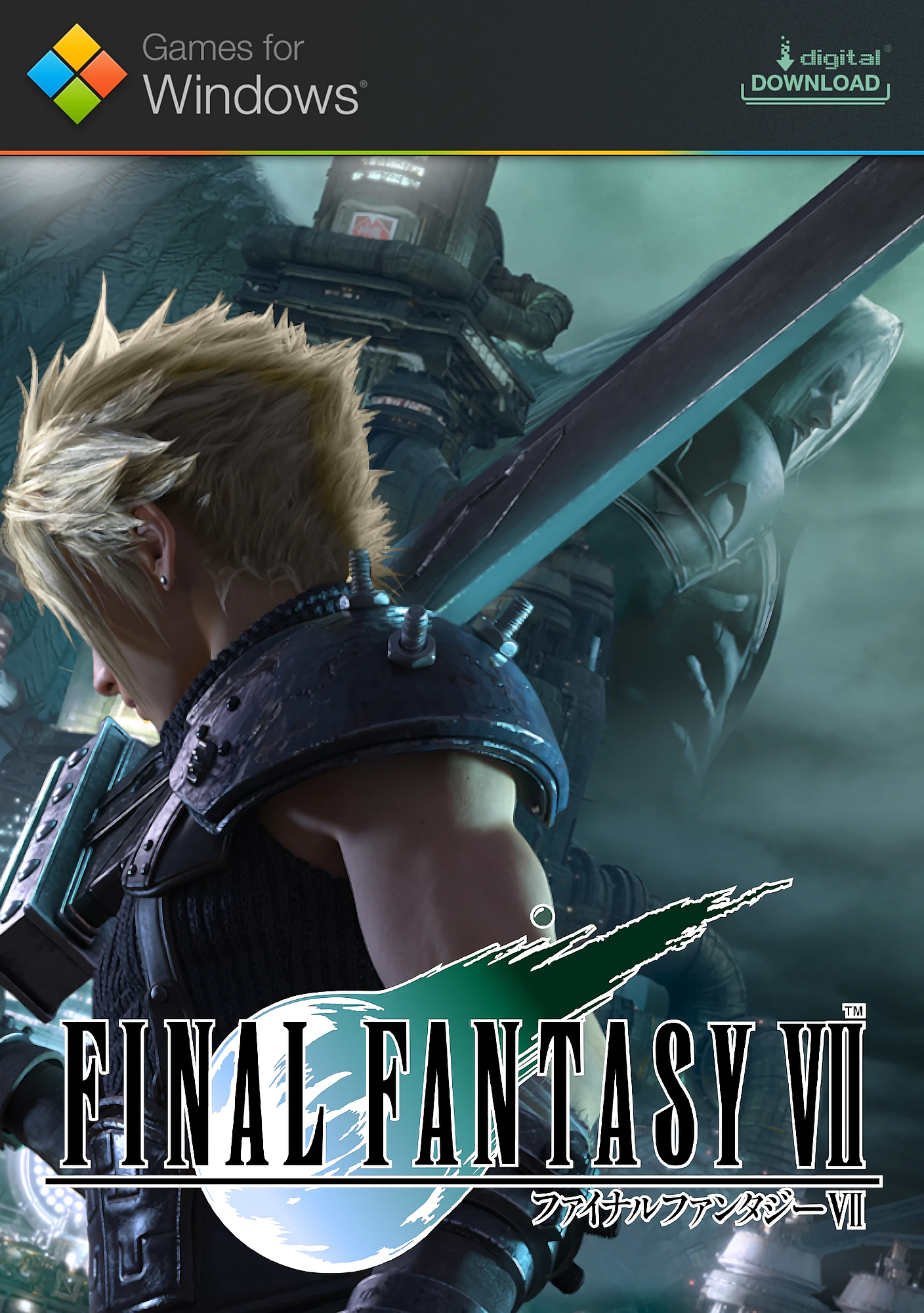
The verdict
Final Fantasy VII remains an extraordinary JRPG beneath its unmistakably 1997 graphics. Its importance to the genre is undeniable, but nostalgia and influence are not why I rank it so highly. The original still tells a compelling story, moves through its world with extraordinary variety and offers one of the most satisfying customisation systems in the series.
Remake and Rebirth are worth considering on their own terms; neither replaces this adventure. The original has its own structure, tone and pacing, and I think newcomers should still experience that identity.
From Midgar to a much wider world
The opening bombing mission immediately establishes a world where Shinra's industrial power comes at the planet's expense. Midgar itself feels like an entire setting, which makes the eventual expansion beyond it so thrilling. Towns, world-map travel, dungeons and strange minigames keep the journey changing shape.
Cloud is far more nuanced than the familiar image of a brooding swordsman. His memory and identity become central questions, while Tifa, Aerith, Barret and the wider cast bring warmth, humour and personal histories. Sephiroth's menace benefits from how patiently the story builds his reputation. The game moves from corporate exploitation to surreal mystery without losing its character.
Materia still makes experimentation rewarding
Materia is deceptively simple: equip magic, commands, summons and support effects, then combine linked slots to transform their behaviour. Abilities grow through AP, so weapons and armour serve as platforms for developing whole sets of options rather than just raising numerical stats.
The flexibility is fantastic, letting you experiment with elemental defence, automated effects or highly specialised builds. It does make individual character jobs less distinct, since almost anyone can equip the same spells. Limit Breaks and personal equipment preserve enough character personality, and I find the trade-off worthwhile.
Aged visuals, timeless music
The field character models are undeniably primitive and movement across pre-rendered environments can occasionally be confusing. Yet those backgrounds still carry enormous atmosphere, especially in Midgar and the game's stranger locations. Nobuo Uematsu's score has aged even better; it gives industry, loss, discovery and danger unforgettable musical shapes.
Random encounters can interrupt exploration, several minigames are clumsy, and the original English localisation sometimes struggles with meaning and tone. For a modern PC playthrough I favour a restrained 7th Heaven setup that improves comfort without replacing the original art direction or mechanics.
Final thoughts
Final Fantasy VII is not a museum piece. Materia remains brilliant, Midgar remains an astonishing opening, the characters have depth, and the music is still phenomenal. It has rough edges that deserve acknowledging, but playing it now offers far more than historical appreciation. It remains a great RPG on its own terms.