
Xenoblade Chronicles 3 Review
One of Monolith Soft's finest ensembles in a huge world whose excellent systems occasionally trip over their own excess.
Go to game entry →Watch original video review →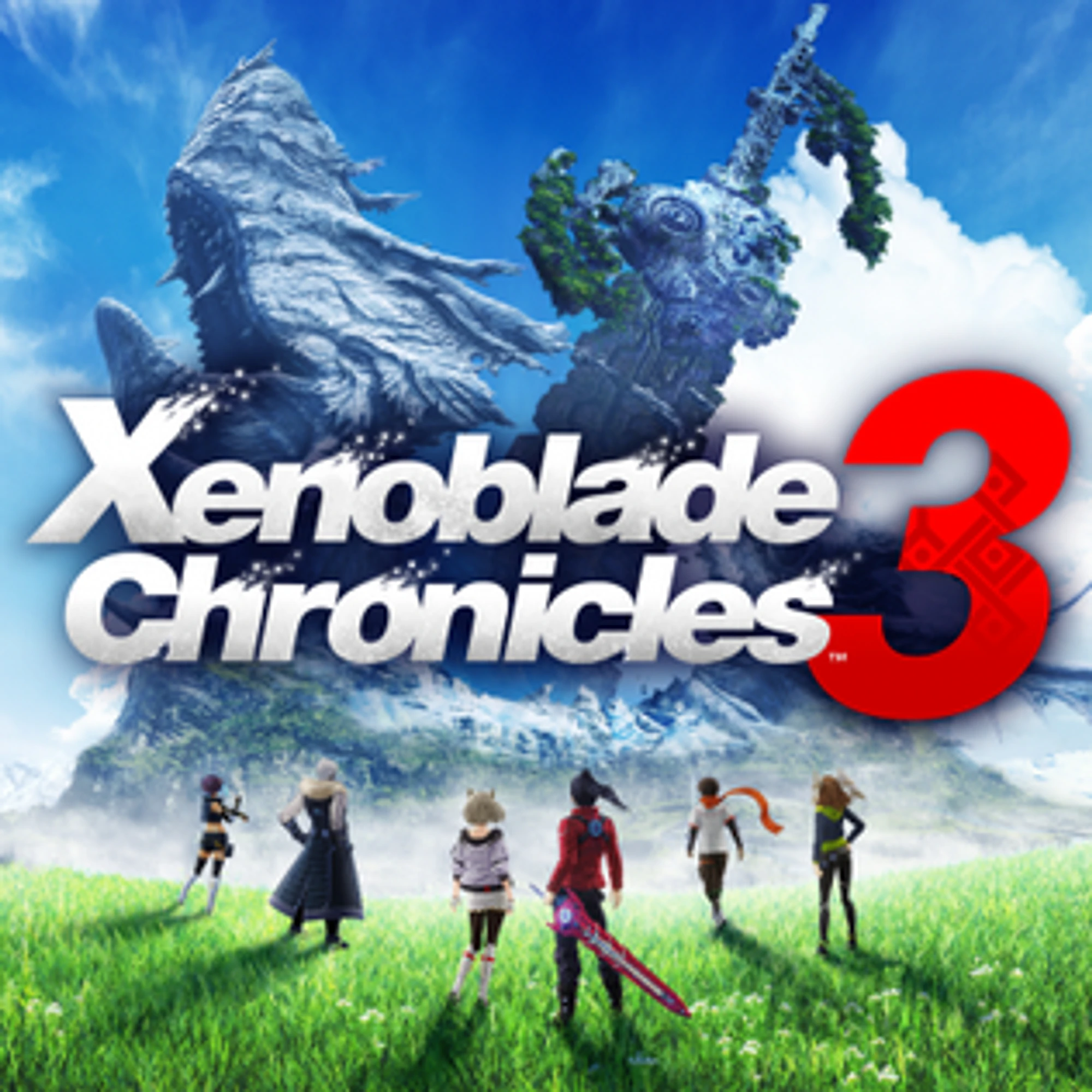
The verdict
Xenoblade Chronicles 3 feels like a more complete expression of the series' ambitions: a vast world, a deeply connected party, excellent music and combat with an almost unreasonable number of options. What impresses me most is not the scale, though. It is how convincingly the six leads become a group of people who care about one another.
The game sometimes gives you too much to optimise. Class grinding, overlevelling and extended Chain Attacks can slow a story that is otherwise full of momentum. Still, its emotional highs are among the best of the series.
Six people in a world at war
Aionios pits Keves and Agnus against each other in a perpetual war, with soldiers allowed tragically short lives. Noah and Mio, initially on opposite sides, become the emotional anchors of a group forced to question the assumptions of that entire society.
Eunie, Taion, Lanz and Sena are not disposable supporting characters. They argue, joke, comfort one another and develop across quiet travel conversations as well as major cutscenes. The game earns the investment it later asks from you. Some villains and late explanations are less compelling than the main group's drama, but that drama is extraordinary.
Exploration that feeds the party
Massive landscapes lead into colonies, hidden paths, optional monsters and Hero quests. Discovering a colony can introduce a memorable new character, open additional story and grant the party a completely new class. Wandering away from the objective marker is therefore rewarding both emotionally and mechanically.
The Hero system is especially good at preventing side quests from feeling disposable. Better optional stories develop the main cast and their surroundings while directly expanding the builds available in combat. The soundtrack, particularly its use of the off-seers' flutes, is inseparable from the game's themes of life and loss.
Combat freedom with a cost
Six party members fight simultaneously, sometimes alongside a seventh Hero. You can switch between Attackers, Defenders and Healers, build positional and fused Arts, inherit classes, use Ouroboros Interlinks and execute elaborate Chain Attacks. There is astonishing freedom to construct the party you want.
The price is complexity and occasional grinding. To master every class you may end up constantly changing characters away from roles you actually enjoy. Class growth also depends on battling enemies near your level, so doing too much good side content can make progression awkward. Chain Attacks are powerful but can interrupt the pace of an otherwise exciting fight.
Final thoughts
Xenoblade 3 is strongest when all its scale serves its characters. The world matters because Noah, Mio and their friends are learning what an ordinary life could mean within it. The customisation, exploration and music are outstanding; the exhausting parts arise mainly when excellent systems grow too large for their own good. That is a trade-off I am more than willing to make.