
Growlanser Generations Review
Two very different Growlanser adventures in one package, united by real-time strategy, relationship choices and memorable character design.
Go to game entry →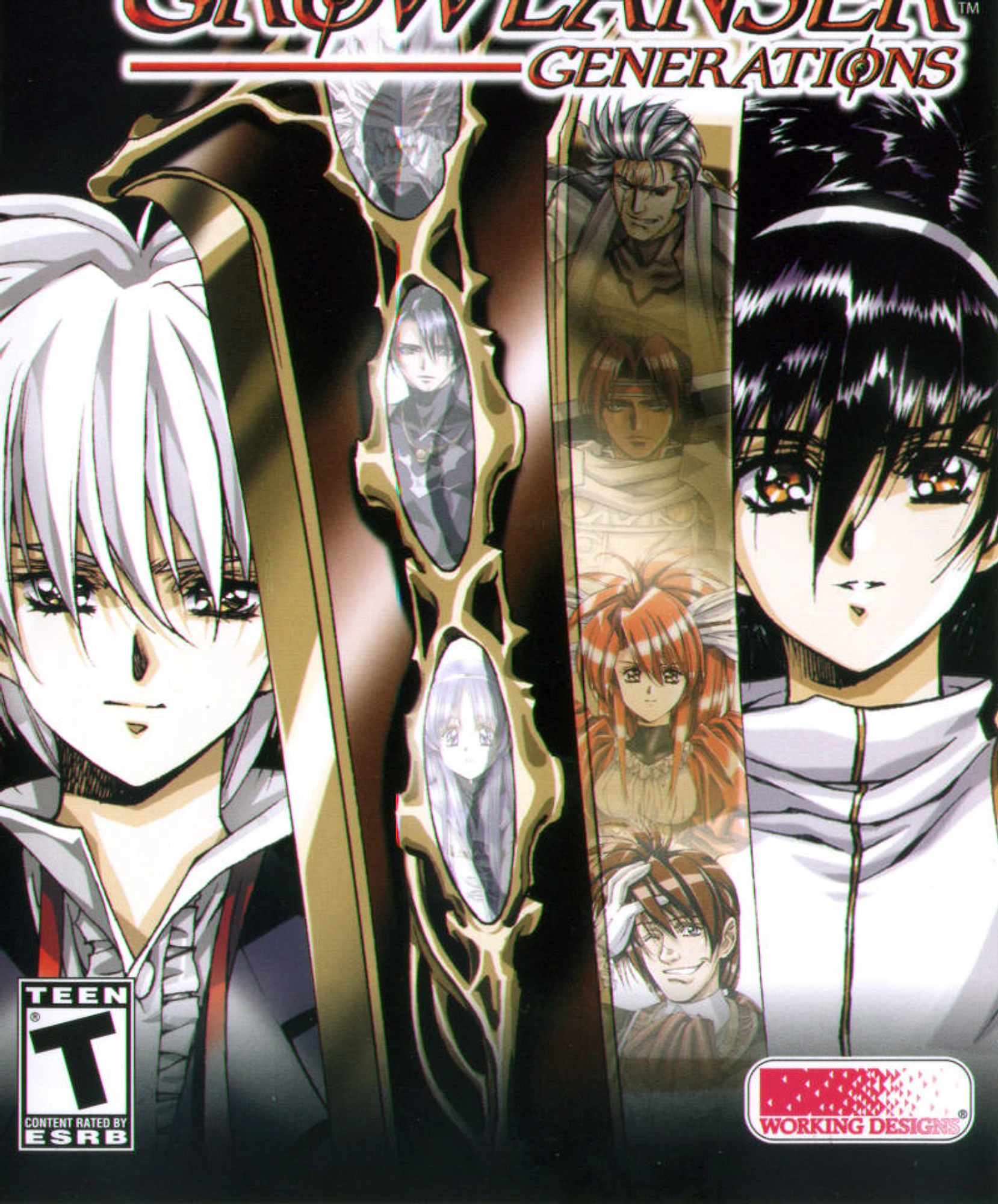
The verdict
Growlanser Generations brings the second and third games together, but it should not be treated as one seamless adventure. Growlanser II is particularly interested in branching routes and decisions, while Growlanser III gives more room to an extended travelling story. The common attraction is the series' distinctive mix of real-time tactical commands and character relationships.
I appreciate the variety, even though players coming from Growlanser IV may find the structure and pacing of one entry much closer to their preferences than the other. The package's value is having two related but distinct examples of the same design philosophy.
Two campaigns with different priorities
Growlanser II puts considerable weight on the consequences of political and personal choices. Recruitment and possible outcomes provide reasons to replay, but the campaign can feel more structured around its tactical encounters. Growlanser III develops a broader sense of moving through a world between conflicts.
The contrast makes Generations interesting. It shows how the series could experiment with the balance between simulation-like mission design and conventional RPG travel without giving up its interest in relationships.
Tactics that keep moving
Combat in both games asks you to issue orders while combatants continue to move and act. Spell timing, movement routes and the need to protect vulnerable allies make encounters feel different from a strict grid-based RPG. Timing a command matters because the battlefield does not wait for a turn to finish.
The best missions become little exercises in prioritisation, asking which objective must be reached first and what risks can be tolerated elsewhere. Older controls and mission design can occasionally create friction, but the system has a wonderfully distinctive feel.
Building characters and relationships
Party members are memorable partly because of Urushihara's artwork, but also because relationships and choices can determine who joins and how events unfold. Magic, equipment and tactical roles provide useful opportunities to experiment with characters outside their obvious strengths.
The compilation's two games do not offer identical interfaces, pacing or exploration. That can feel uneven when switching between them, especially if your favourite feature in one is less emphasised in the other. Still, seeing those contrasts is a useful window into the franchise's development.
Final thoughts
Generations earns its place by offering two substantial interpretations of Growlanser's central ideas. Tactical battles and branching character material make both worthwhile, while the contrast between them gives the compilation unusual character. Come for the strategy, but spend time with the people; they are what make the decisions matter.