
Ni no Kuni II: Revenant Kingdom Review
An inviting fairy-tale action RPG whose most rewarding system may be the kingdom and community you build along the way.
Go to game entry →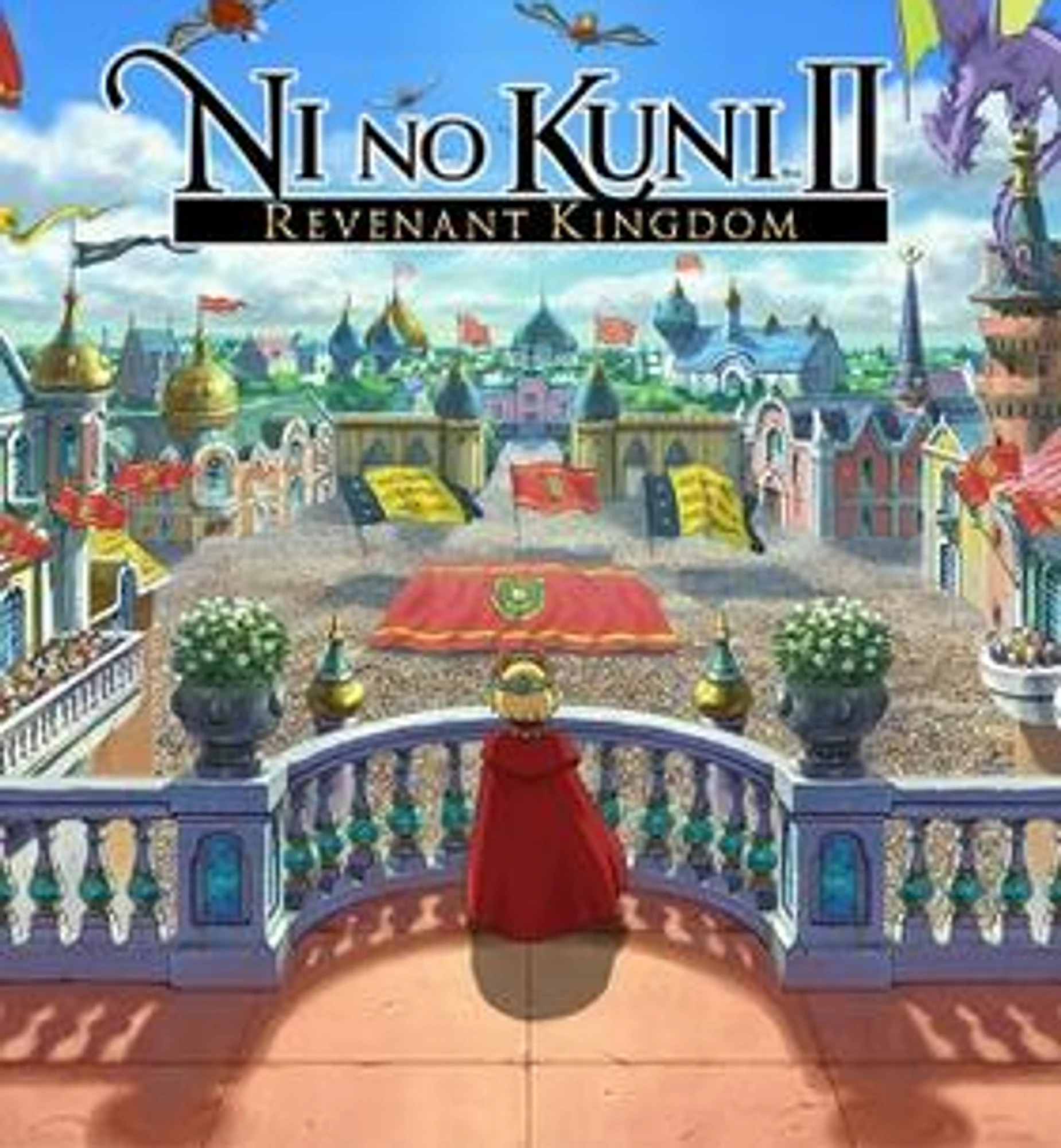
The verdict
Ni no Kuni II does not simply repeat the first game's magic with a different hero. It shifts towards direct action combat and invests much of its identity in building a kingdom. Evan's effort to create Evermore gives recruiting citizens, completing side quests and exploring new places a clear purpose.
The sequel is bright, welcoming and often beautiful, but the main combat can become very easy, and skirmish or kingdom-management requirements sometimes interrupt the story. Its strongest appeal lies in watching a community take shape rather than expecting precisely the emotional structure of Oliver's adventure.
A new kingdom as the heart of progression
Evan's goal gives the narrative a hopeful direction: make a place where different people can live together. Recruiting citizens is not just a quest counter. New people contribute to research, shops, facilities and upgrades, so the kingdom becomes more useful and more visibly complete over time.
I love that the game makes progress tangible. Returning to Evermore provides a sense of ownership that many otherwise expansive RPGs never achieve. The trade-off is that research timers, side recruitment and administrative decisions can sometimes demand attention when I would rather keep moving through the main adventure.
Fast battles and Higgledy support
Real-time combat emphasises weapon swapping, positioning, melee and ranged attacks, with Higgledies providing useful support in the middle of encounters. It feels immediately active compared with the first game's Familiar management, allowing the player to engage directly with enemies rather than working through a more complicated command interface.
That accessibility has a price. In ordinary play, the campaign can become too easy, reducing the need to engage with all the available combat tools. Higher difficulty modes help, but players looking for consistently demanding boss battles should know that the default balance is generous.
Exploration, skirmishes and presentation
The overworld and dungeons provide traditional RPG travel, with optional monsters, secrets and a colourful range of settings. Skirmish battles change the scale by placing Evan in command of military units, an interesting thematic connection to the kingdom but not always a mode I want interrupting the central adventure.
The cel-shaded aesthetic is gorgeous and consistent, and Joe Hisaishi's music lends grandeur to even relatively simple scenes. There are places where the writing could give the cast more emotional complexity, yet the overall atmosphere remains warm and appealing.
Final thoughts
Revenant Kingdom is at its best when action, exploration and recruitment all contribute to Evermore. Its combat is accessible and its world inviting, while the kingdom gives side content a satisfying purpose. The uneven difficulty and occasional management interruptions are real caveats, but I appreciate how confidently it creates an identity different from the first Ni no Kuni.