Shadow Hearts: Covenant Review
A brilliantly strange RPG where gothic horror, absurd comedy, Yuri's grief and interactive turn-based combat share the stage.
Go to game entry →Watch original video review →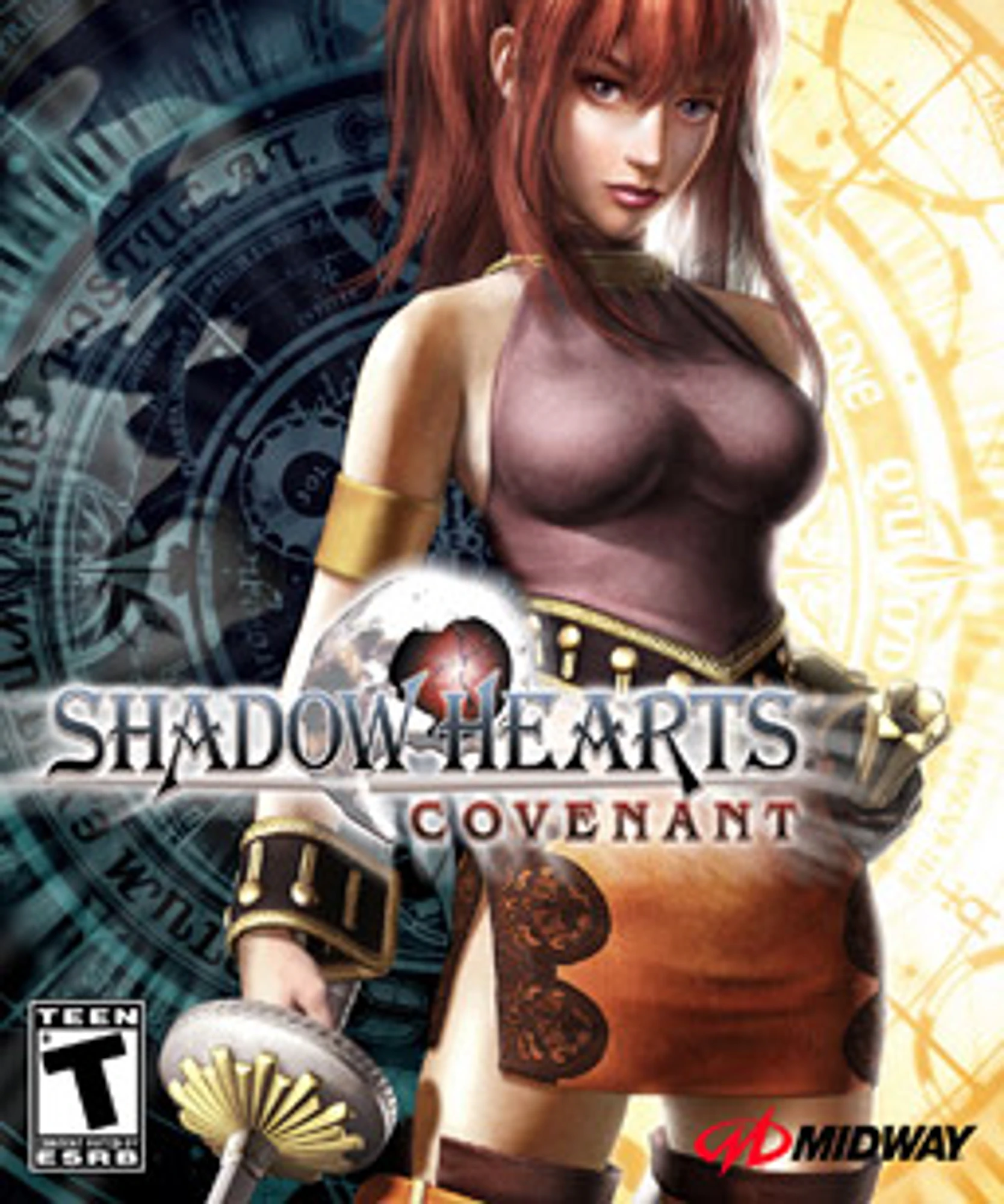
The verdict
Shadow Hearts: Covenant is one of the most distinctive sequels of its generation. It takes the original's Judgment Ring, Harmony transformations and alternate-history horror, then pushes almost everything further: more combat possibilities, more extravagant companions and a story that makes room for both sadness and complete absurdity.
That mixture is not always even. Comic detours sometimes interrupt moments that deserve more restraint, and repeated timing inputs can become tiring in routine battles. But the atmosphere, systems and emotional stakes have a personality that few other JRPGs even attempt.
Yuri, Karin and a haunted world
The game continues Yuri's story through an alternate version of the First World War, mixing occult forces with recognizable history. His grief gives the emotional thread real force, while Karin and the wider cast keep the story from becoming a solitary exercise in anguish. It is at its best when the strange humour makes the people feel more human rather than distracting from a serious scene.
A bizarre ally, an unsettling apparition or a deliberately ridiculous exchange may sit beside genuinely intimate writing. Sometimes the tonal clash works beautifully; sometimes it feels like a joke arrived in the wrong scene. Playing the original Shadow Hearts first makes the most important character developments resonate more deeply.
Judgment Rings and combo decisions
The Judgment Ring turns conventional menu commands into an exercise in timing. Success zones and more demanding strike areas affect how effectively characters attack or use abilities. Ring modifiers can trade safety for greater rewards, giving players the choice between reliability and risk.
Covenant also expands combo attacks and positioning-based coordination, so it is not simply asking you to press a button at the right moment. Planning the action order, choosing suitable Ring setups and combining abilities makes difficult encounters satisfying. The mechanic loses some novelty when ordinary fights repeat too frequently.
Progression with individual identity
Yuri's Fusions allow a flexible selection of roles, while crests and character-specific systems make the rest of the party feel mechanically distinct. I enjoy when a JRPG's progression reflects the personalities of its cast rather than turning every companion into the same generic build.
Locations move between historical streets, gothic interiors and supernatural environments. The music can be ritualistic, eerie and unexpectedly melodic, matching the game's shifting moods. Some dungeons, backtracking and dated interface conventions slow the pace, while the original PS2 presentation shows its age without losing its art direction.
Final thoughts
Covenant is an S-tier game for me because its individuality outweighs its roughness. Its darkly comic atmosphere, unusually personal character story and involved combat make it feel like nothing else. The jokes can misfire and the Ring can become repetitive, but the experience remains one of the PlayStation 2 era's most memorable RPG adventures.