Star Ocean Review
The compact beginning of a distinctive series, where fantasy, science fiction, crafting and optional character relationships already fit together.
Go to game entry →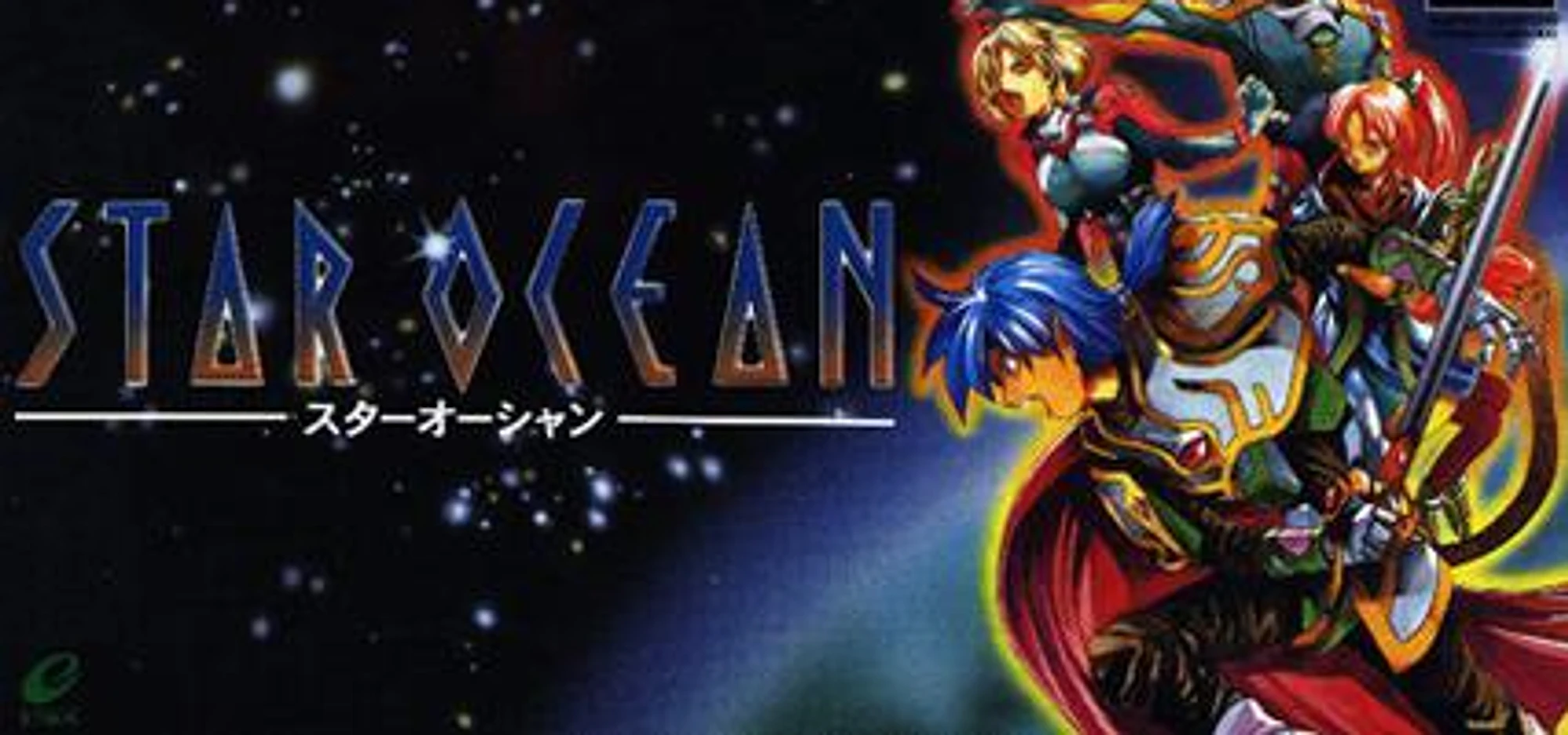
The verdict
The first Star Ocean is an important foundation for the series, but its appeal goes well beyond historical significance. Roak begins as a recognisable fantasy setting and gradually opens onto a much larger science-fiction universe. Along the way, real-time battles, flexible skills and character-specific Private Actions establish the identity that later games would expand.
First Departure R provides a more approachable presentation of that foundation. It is a smaller adventure than its sequels, and some early-system roughness remains visible, but the core mixture still works.
A fantasy journey that refuses to stay fantasy
The adventure initially feels like a traditional quest among villages and local dangers, only to reveal how much more technologically complex the wider universe is. This contrast is the essence of Star Ocean: the way knowledge, culture and technology can mean very different things to the people inhabiting the same cosmos.
Its relatively focused scale is a strength when the story is moving quickly, though it cannot offer the depth of locations or extended arcs found in later instalments. The charm comes from watching the genre blend take shape.
Real-time battles before the series went enormous
Combat mixes automatic movement and direct commands with party cooperation, giving the adventure a more active rhythm than many role-playing games of its era. Character abilities and equipment become increasingly important as stronger enemies demand better preparation.
The action lacks some of the fluidity and elaborate mechanics later Star Ocean games would introduce. It remains enjoyable, but players coming backward from The Second Story R or The Divine Force should expect a more compact and comparatively simple system.
Private Actions and the crafting rabbit hole
Towns are not merely places to restock. Private Actions can reveal optional character conversations, shape relationships and influence outcomes. These interactions are especially appealing in a game whose plot often asks the party to grapple with very different cultures.
Item Creation and Specialties provide further experimentation. Crafting can become as important as conventional levelling, and discovering an unusual combination gives the familiar series satisfaction of bending progression through knowledge. Motoi Sakuraba's music brings warmth to the villages and momentum to encounters.
Final thoughts
First Departure R is worth playing because it shows Star Ocean's defining ideas in a focused form. The series' later extravagance begins here: science fiction interrupting fantasy, battles inviting active control and towns hiding relationships and intricate systems. It has aged, but it has not lost its identity.