
Tales of Xillia Review
One of the strongest Tales ensembles, with Jude and Milla's dual viewpoints and expressive Link combat overcoming rather repetitive field design.
Go to game entry →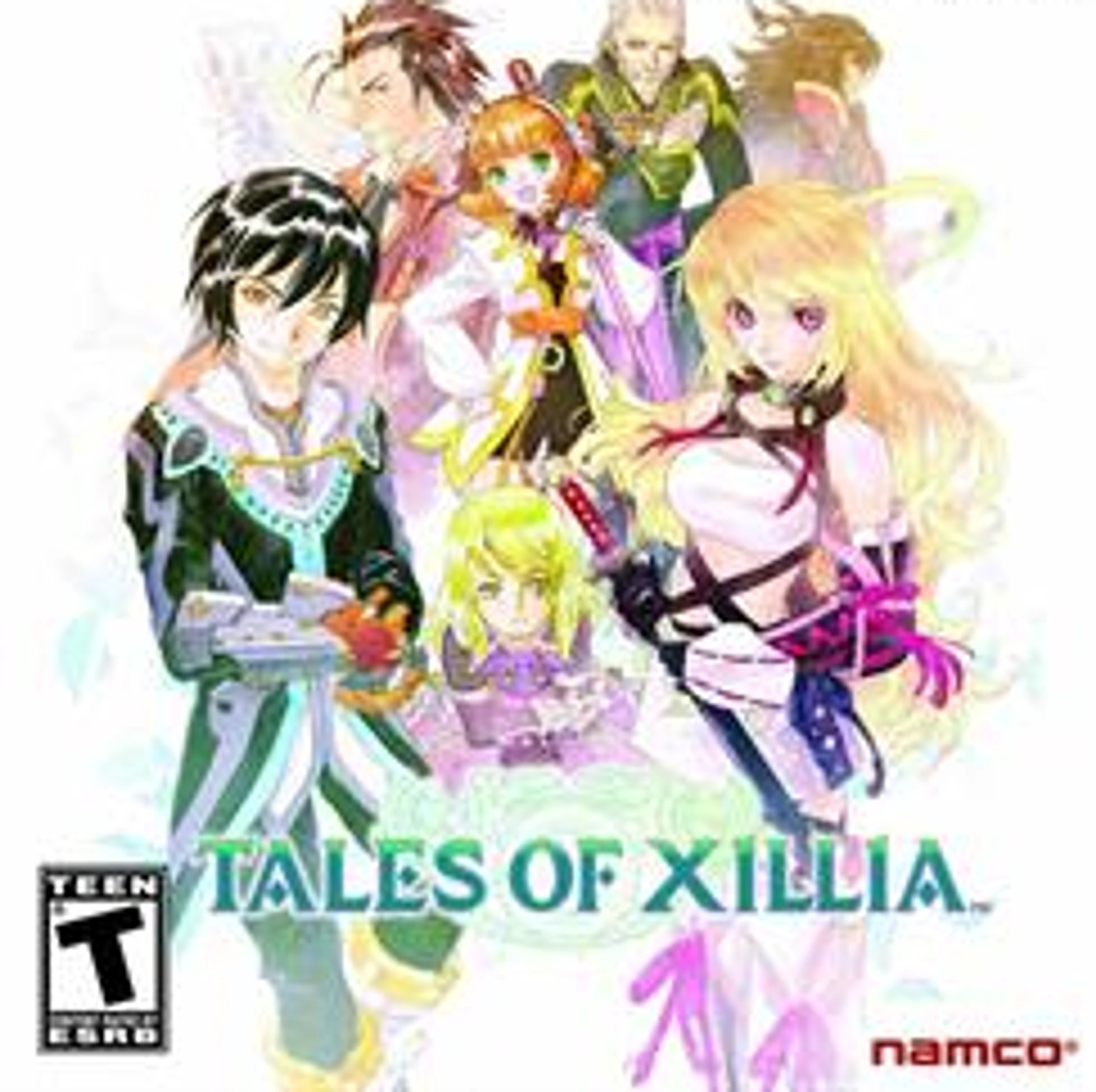
The verdict
Tales of Xillia is a personal favourite within the series, especially because its cast and battle system work so well together. Two leads offer different perspectives on a conflict rooted in the relationship between spirits, technology and human society. The combat is fast and satisfying without losing the importance of your companions.
The weakest part is exploration. Many field areas are broad in appearance but repetitive in actual layout, making travel less memorable than the party conversations taking place along the way. That is a frustrating contrast in a series so often built around the feeling of going on a journey.
Jude and Milla's contrasting viewpoints
Jude approaches events through empathy and careful observation, while Milla is driven by a direct sense of duty and a relationship to the world that the rest of the cast must learn to understand. Their routes share the central adventure but contain different scenes and emphases, which makes a second playthrough more rewarding for players especially invested in the cast.
The wider party has excellent chemistry. Arguments, comedy and shifting loyalties keep the trip engaging, and the story's spirit ecology creates a substantive backdrop to the personal conflict. The game's strongest scenes work because the characters feel as though they are learning from one another rather than merely following a plot marker.
Link combat at its best
The Link system lets two party members cooperate directly, offering partner effects and special Link Artes while changing how they protect or support each other. It rewards looking beyond a single controlled fighter and recognising what each pairing brings to a particular encounter.
Fast sidesteps, aerial options and a fluid chain of Artes give battles a satisfying rhythm. I especially appreciate the feeling that learning the party and its interactions improves combat, rather than customisation being detached from the narrative. Some strong combinations can make ordinary enemies routine, but the flexibility remains enjoyable.
A world that does not always match the cast
Towns and story locations carry atmosphere, and Motoi Sakuraba's dramatic themes work well when the conflict grows more serious. But many of the connecting fields reuse broad shapes and similar-looking spaces. Moving through them can feel like crossing a succession of large corridors instead of discovering an interesting landscape.
That weakness stands out because I enjoy the cast so much. Their conversations give trips meaning when the actual terrain does not, and the dual protagonist structure supplies replay value the environments alone would never provide.
Final thoughts
Xillia is a game whose people and systems carry its world. The Link combat is terrific, Jude and Milla are interesting viewpoints and the supporting party is memorable. I would have loved more inspired environments, but it is still one of the Tales adventures I rate most highly.