The Legend of Heroes: Trails of Cold Steel Review
A deliberately slow school-year RPG whose patient worldbuilding pays dividends far beyond its own ending.
Go to game entry →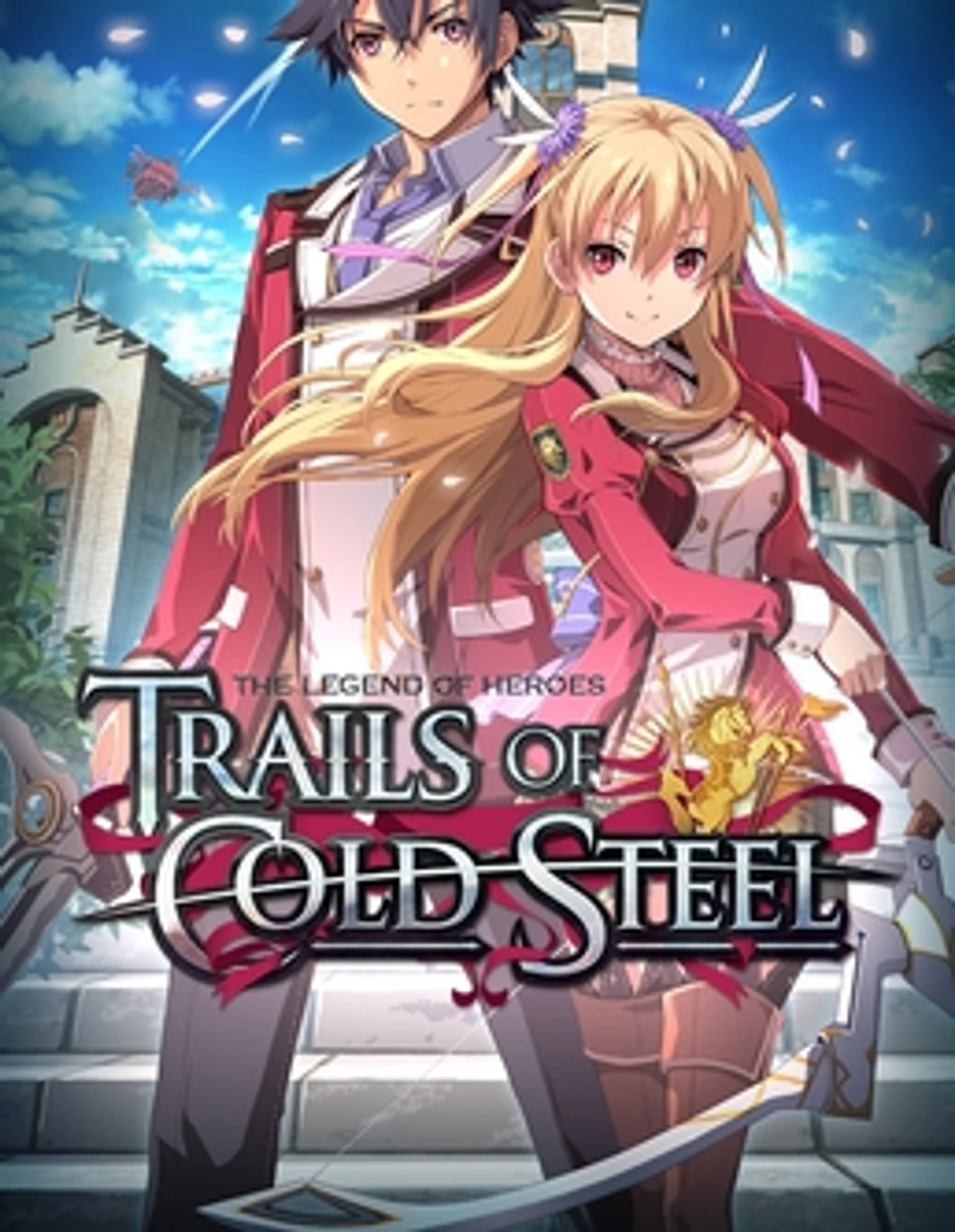
The verdict
The original Trails of Cold Steel is a strong example of why Falcom's method of storytelling has such devoted supporters. It begins with a group of students and a fairly ordinary military-academy routine, then gradually reveals the enormous class, political and regional tensions shaping Erebonia. It does not race to every major revelation; instead, it asks you to get to know a country and the people trying to understand it.
The pace is both the game's defining strength and its most obvious obstacle. Players looking for immediate large-scale drama may find the school schedule repetitive. For me, the steady accumulation of details is exactly what gives later events their impact.
Class VII and Erebonia
Class VII brings together students from different social backgrounds, allowing Erebonia's divisions to emerge through arguments, friendships and shared fieldwork rather than dry exposition alone. Rean is a deliberately approachable central figure; the larger ensemble and the friction between its members do much of the dramatic work.
NPC conversations and recurring locations are particularly important. Talking to ordinary citizens between assignments makes towns feel inhabited and gives the sense that people continue with their lives even when Class VII is elsewhere. Bonding events add welcome personal texture, although the limited opportunities to see every interaction in one playthrough can be frustrating.
Turn-based combat and progression
Combat keeps the tactical Trails fundamentals of movement, positioning, arts, crafts and turn-order bonuses. Combat Links make cooperation immediately visible, and Brave Points reward smart timing. Quartz setups offer a satisfying way to tune roles, from hard-hitting attackers to support characters built around healing, buffs or control.
A few strong combinations can overshadow alternatives, and routine fights may eventually feel familiar. Nevertheless, battles are brisk enough to keep the long adventure moving and demanding encounters give the systems room to shine.
Structure, soundtrack and limitations
The chapter structure alternates between academy life and field studies, establishing a reassuring rhythm that allows every region to develop its own identity. Music adds warmth to the everyday scenes and force to the more dramatic moments. The visual presentation is modest even by the standards of its era, but expressive portraits, distinctive locations and carefully written conversations compensate.
The formula becomes predictable over a long campaign, and some character tropes land more strongly than others. The story also ends with significant threads unresolved: this is the beginning of a multi-game arc, not a completely self-contained adventure.
Final thoughts
Cold Steel is at its best when it trusts you to care about small details before asking you to care about enormous consequences. Its deliberate rhythm, charming cast and interconnected politics make it one of the stronger foundations in the Trails saga. Accept its slow build and play it as the first part of Erebonia's larger story.