Xenoblade Chronicles 2: Torna – The Golden Country Review
A more focused, faster-playing Xenoblade adventure whose real triumph is making an already-known tragedy feel personal.
Go to game entry →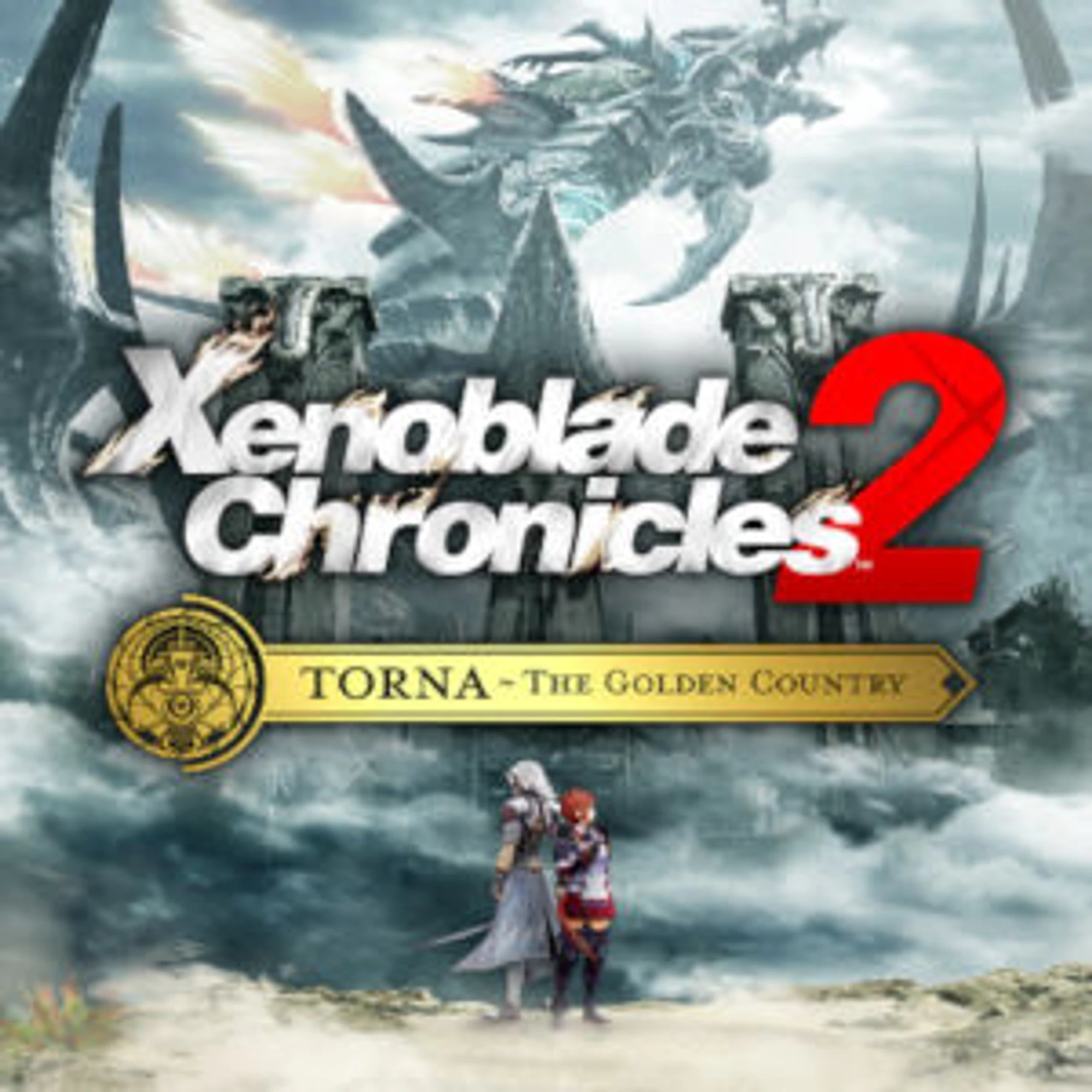
The verdict
Torna – The Golden Country works both as a substantial companion to Xenoblade Chronicles 2 and as a reminder that this series does not need an enormous main campaign to make an impression. By concentrating on Lora, Jin, Mythra and the people caught up in Torna's fate, it gives the history of Alrest a human scale. The ending is not a surprise for anyone who has played the main game; what matters is how much the journey makes you care before you reach it.
This is an especially easy game to recommend to someone who loved Xenoblade 2 but wanted a leaner structure and a battle system that gets to its most enjoyable ideas sooner. Its big reservation is progression gating: the Community requirements can disrupt the dramatic momentum at precisely the wrong moments.
Story and characters
The relationships between Lora and Jin, and between Mythra and the people depending on her, are the emotional centre. Rather than simply filling in a historical footnote, Torna adds warmth, vulnerability and regret to characters whose circumstances are already familiar. Small scenes of companionship matter as much as its major confrontations, and knowing the destination only makes those moments more poignant.
It is less sprawling than the parent game, with fewer competing plotlines. That focus is a strength, although newcomers will inevitably miss the context that gives several scenes their full weight.
Combat and progression
The most immediate improvement is the switch between Drivers and Blades during battle. Characters can take turns in the active role, giving combat a brisker rhythm and making party coordination satisfying from the outset. Special attacks and elemental combinations remain important, but the presentation is more approachable than Xenoblade 2's long mechanical ramp-up.
The smaller cast makes each character's role easier to understand, while equipment and upgrades provide enough flexibility without burying the adventure under menus. Some fights still favour repetition once a reliable combination is found, but the overall pace is excellent.
Exploration, presentation and drawbacks
The landscapes are gorgeous, and exploring Gormott and Torna rewards curiosity with quests, discoveries and inviting views. Music and environmental design make the setting feel both lively and faintly mournful. The Community system initially strengthens that impression by turning side characters into people rather than anonymous quest markers.
The trouble is that Community eventually becomes a mandatory threshold. Requiring extra side quests to advance the story can feel artificial, particularly when the narrative is gathering urgency. Anyone hoping for the length and breadth of a numbered Xenoblade will also find a smaller world and fewer systems.
Final thoughts
Torna earns its high place on Fabled Cartridge not by outgrowing Xenoblade 2, but by refining and complementing it. The more immediate combat, expressive cast and devastating emotional context are major strengths. Its compulsory Community detours are a genuine blemish, yet the adventure remains one of the most worthwhile expansions in Japanese RPGs. Play it with Xenoblade 2's story in mind and give its characters time to become more than the history books say they were.