
Xenoblade Chronicles Review
A colossal journey across two deadlocked Titans, with exceptional exploration and a future-vision mechanic that makes every battle feel different.
Go to game entry →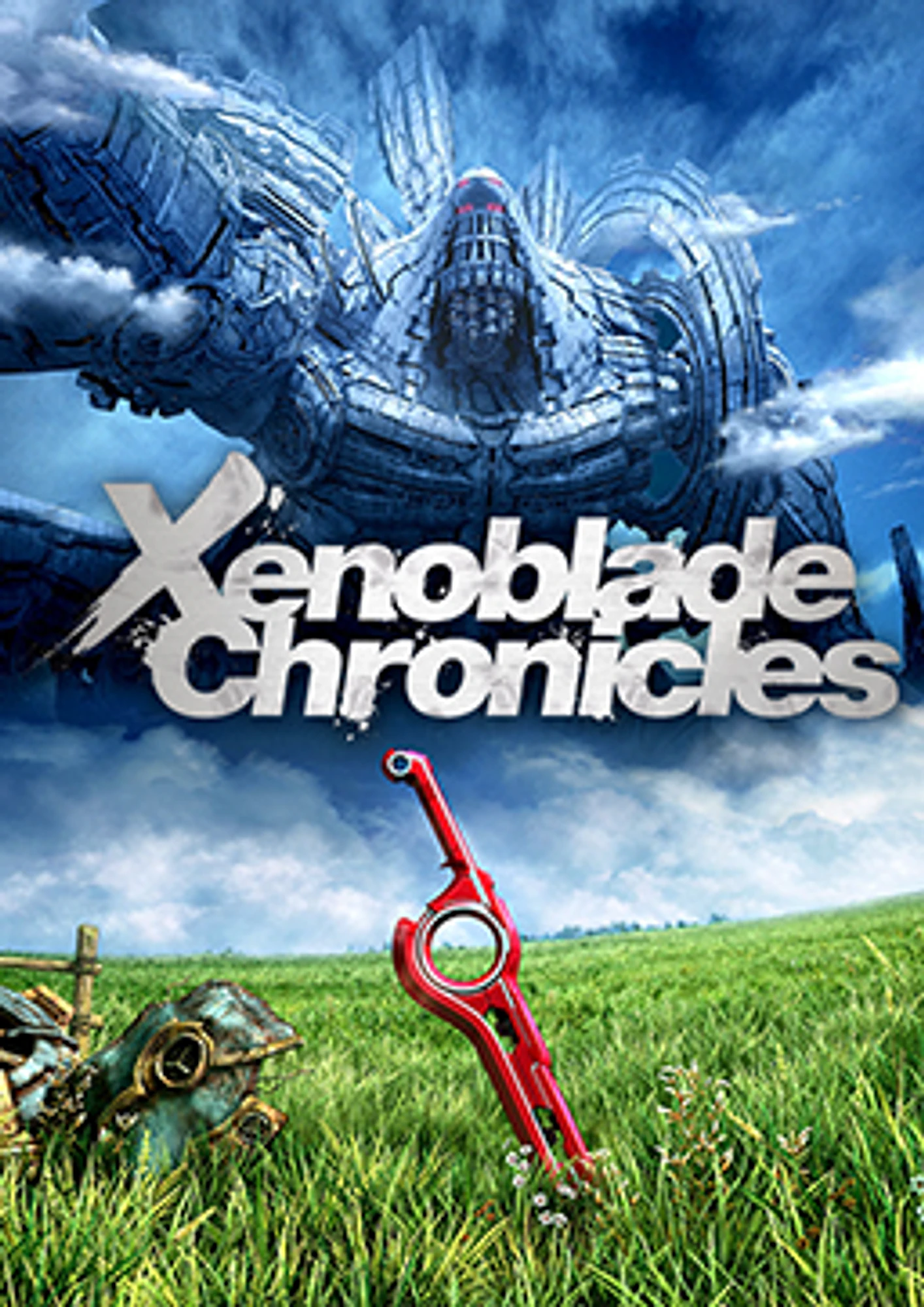
The verdict
The first Xenoblade Chronicles remains a landmark in how a Japanese RPG can make space itself feel important. Travelling across the bodies of the Bionis and Mechonis is an idea with enormous imaginative power, but the achievement lies in the individual landscapes: wide fields, vertical paths, hidden landmarks and a constant invitation to look somewhere beyond the next objective.
Definitive Edition makes this adventure considerably easier to appreciate through cleaner character models, interfaces and environments. Its weakest feature remains the quantity of repetitive side quests, which can easily turn exploration from curiosity into a checklist.
A world whose geography tells a story
The scale and contrast between Bionis and Mechonis give travel unusual meaning. Gaur Plain, Satorl Marsh and later areas are not interchangeable zones with slightly different colours; their shape, music and atmosphere make each one memorable. High-level enemies wandering through earlier regions reinforce the sense that the world exists beyond the player's immediate level.
The story begins with a deeply personal shock and grows into questions about fate, memory and the nature of the world itself. Shulk is supported by a cast whose relationships keep the escalating revelations rooted in recognisable emotions.
Changing a future in battle
Combat combines real-time movement and automatic attacks with positional Arts, cooldown management and party roles. The key feature is Shulk's visions: seeing a disastrous enemy action before it happens creates a window to protect an ally, interrupt a threat or change the predicted outcome. It turns an otherwise standard combat forecast into a narrative and tactical idea.
Learning when to use buffs, debuffs, chain attacks and the right party combination gives boss fights a great rhythm. The party AI can be imperfect, and the systems sometimes become busy in large encounters, but the best battles deliver an unusually satisfying feeling of averting disaster.
Atmosphere, side quests and modern presentation
The soundtrack is outstanding, from vast field music to quiet emotional moments, and so much of it is tied in memory to a specific landscape. Definitive Edition strengthens the visual identity of the characters while preserving the scale that made the Wii game remarkable.
The enormous number of minor quests can become an issue. Fetching items and hunting particular monsters may be pleasant diversions when discovered naturally, but chasing every marker risks flattening a dramatic journey into routine maintenance. I would encourage first-time players to explore with curiosity rather than a compulsion to clear every objective.
Final thoughts
Xenoblade Chronicles succeeds because its world, story and combat share a theme of confronting an apparently fixed future. Its regions are a joy to discover, its visions remain a brilliant combat hook and its music is unforgettable. Definitive Edition is a superb way to experience that foundation, provided you resist letting the side-quest backlog dictate the whole adventure.