
Growlanser Review
A remarkable foundation for real-time tactical encounters, meaningful relationships and the rare feeling of actually travelling between strategy battles.
Go to game entry →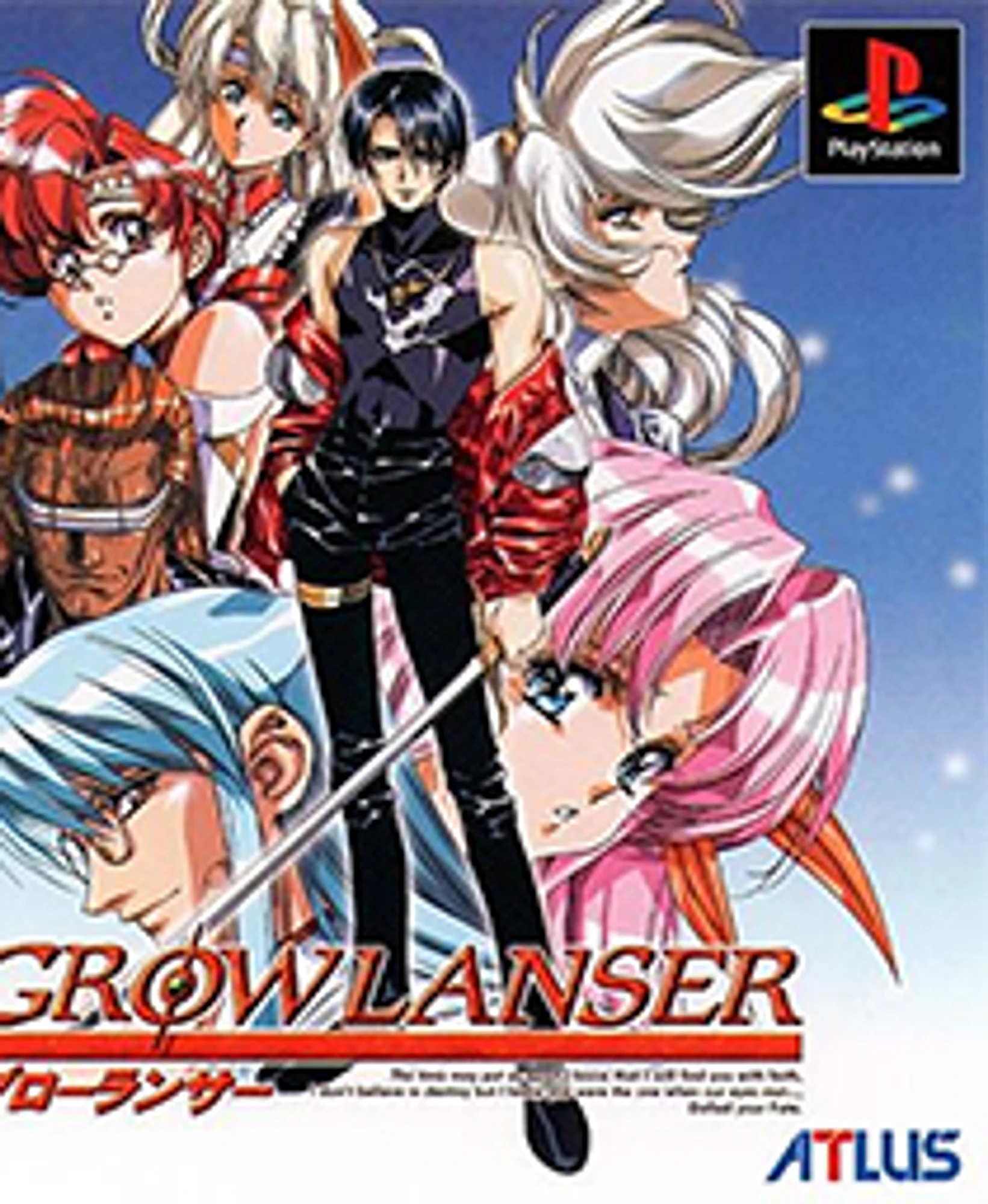
The verdict
The original Growlanser already understands the combination I enjoy most about this series: strategic combat with real-time positioning, a world explored on foot and story decisions that can affect relationships and outcomes. It does not ask you to choose between feeling like a travelling RPG and commanding a small tactical group; it tries to provide both.
Its age and limited English-language accessibility remain major barriers. The original did not receive an official English release, and fan translation status should be checked rather than assumed complete. That limitation matters when recommending it today.
A world with choices and relationships
Characters have their own motivations, and spending time with them can change what happens later. Relationships are more than a set of optional portraits to collect; they feed into the story and possible endings. Satoshi Urushihara's designs give the cast a visual signature that remains immediately identifiable.
The narrative may be smaller in scope or less polished than later Growlanser games, but the essential pleasure is here: you can care about the people on either side of a conflict because you have had time to meet them outside combat.
Real-time tactical battles
Units act continuously according to orders, moving through spaces while spells require time and positioning determines whether the party can respond to threats. Protecting someone, interrupting a caster or reaching a dangerous location is not always equivalent to choosing the highest-damage attack.
This creates a distinctive rhythm. Rather than pausing to move a unit across a strict grid, you adjust an unfolding plan as situations develop. Battles can be tense when objectives compete for attention, though older interface design sometimes makes issuing precise orders less comfortable.
Town exploration and progression
Walking through streets, roads and field locations gives the campaign physical continuity. Ordinary NPCs, equipment decisions and magic progression matter between missions, so the game feels much more like a complete adventure than a series of isolated tactical stages.
Equipment and magic allow characters to adopt different roles, while personal events encourage revisiting familiar places. As with other long-running RPGs from this era, some requirements may be obscure; and language access can be a bigger obstacle than any battle system.
Final thoughts
Growlanser is fascinating because so much of the series' personality is present from the start. Tactical battles, relationships and direct exploration all reinforce one another. I would love to see it more easily accessible in English, but even with its practical barriers it deserves attention as the foundation of something special.