
Kingdom Hearts 3D: Dream Drop Distance Review
Flowmotion and Dream Eaters reinvent movement and team-building, while Xehanort's time-travel plot prepares the final showdown.
Complete Kingdom Hearts chronology →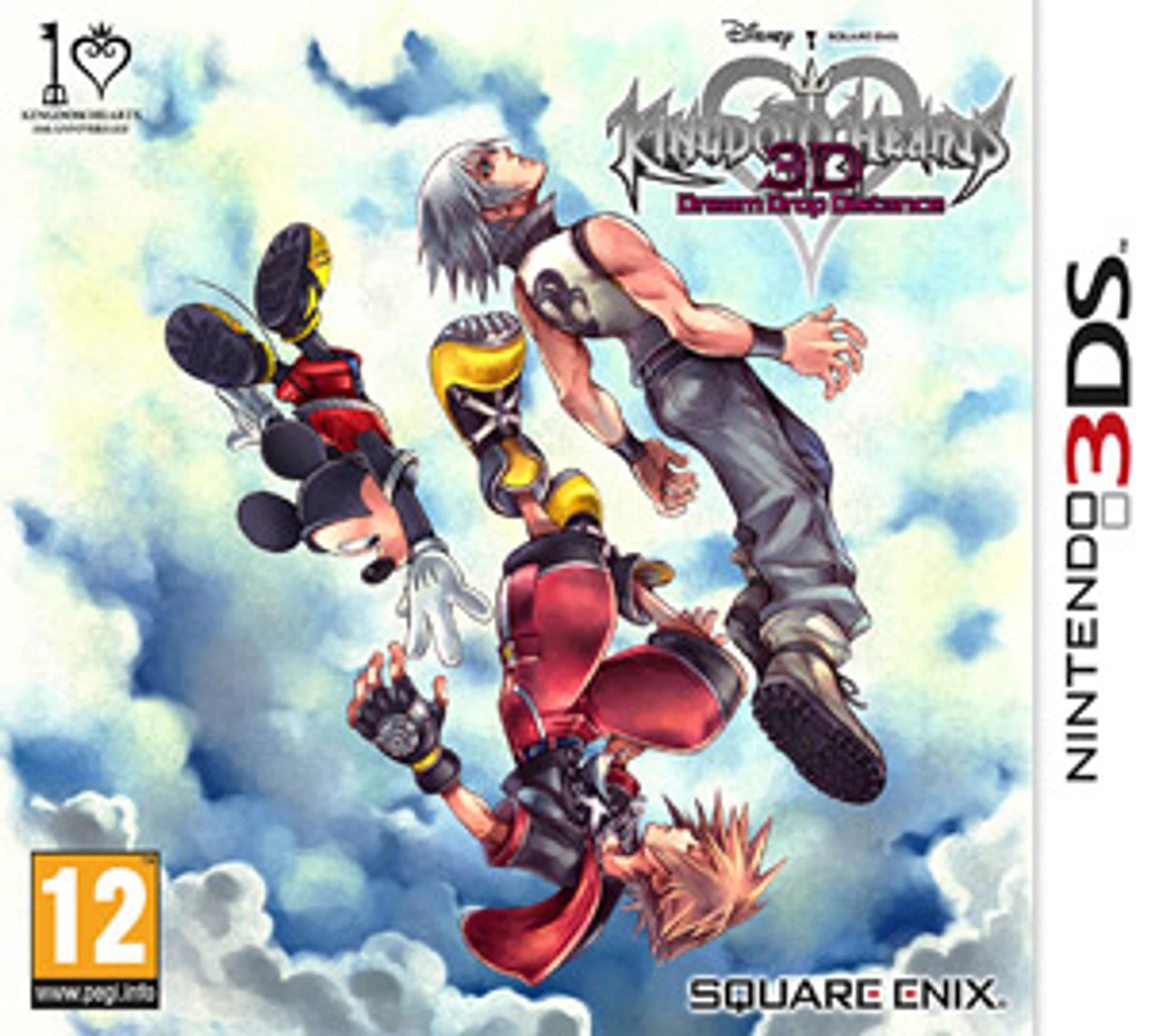
Overview
Flowmotion and Dream Eaters reinvent movement and team-building, while Xehanort's time-travel plot prepares the final showdown.
Movement as a combat system
Flowmotion is an exhilarating departure. Sora and Riku can rebound from walls, rails and poles, turning levels into momentum-generating battlefields. Exploring city-sized arenas with such mobility can be joyous, although the system sometimes overwhelms careful positioning and makes encounters easier to bypass than intended.
Two protagonists, two perspectives
The strongest story idea is Riku's growth into the protector of Sora's sleeping heart. His arc contrasts beautifully with the first game's jealousy and mistakes. Unfortunately the Drop timer can force a character switch at awkward moments, disrupting a boss fight or the rhythm of an investigation.
Dream Eaters
Recruitable companions replace the traditional support party. Raising them, linking abilities and experimenting with combinations supplies long-term customization. The design has personality, but grinding affinity or unlocking essential passive abilities through creatures can feel indirect, especially for players who prefer building Sora and Riku themselves.
A very dense narrative
Dream Drop Distance makes time travel and the true Organization central to the franchise. It offers memorable emotional reversals, but the rules arrive in heavy bursts of exposition and can be needlessly difficult to follow on a first run. The story moves the universe forward more than it moves individual Disney worlds forward.
Verdict
The game's mechanical confidence makes it much more than a plot bridge. Flowmotion, distinct perspectives and colorful companion systems justify playing it. The Drop structure and densely delivered mythology are the main frustrations, but its Riku material stands among the series' best character work.