
Kingdom Hearts III Review
A spectacular, uneven finale whose strongest combat lies in Keyblade transformations, air mobility and Re Mind's demanding bosses.
Complete Kingdom Hearts chronology →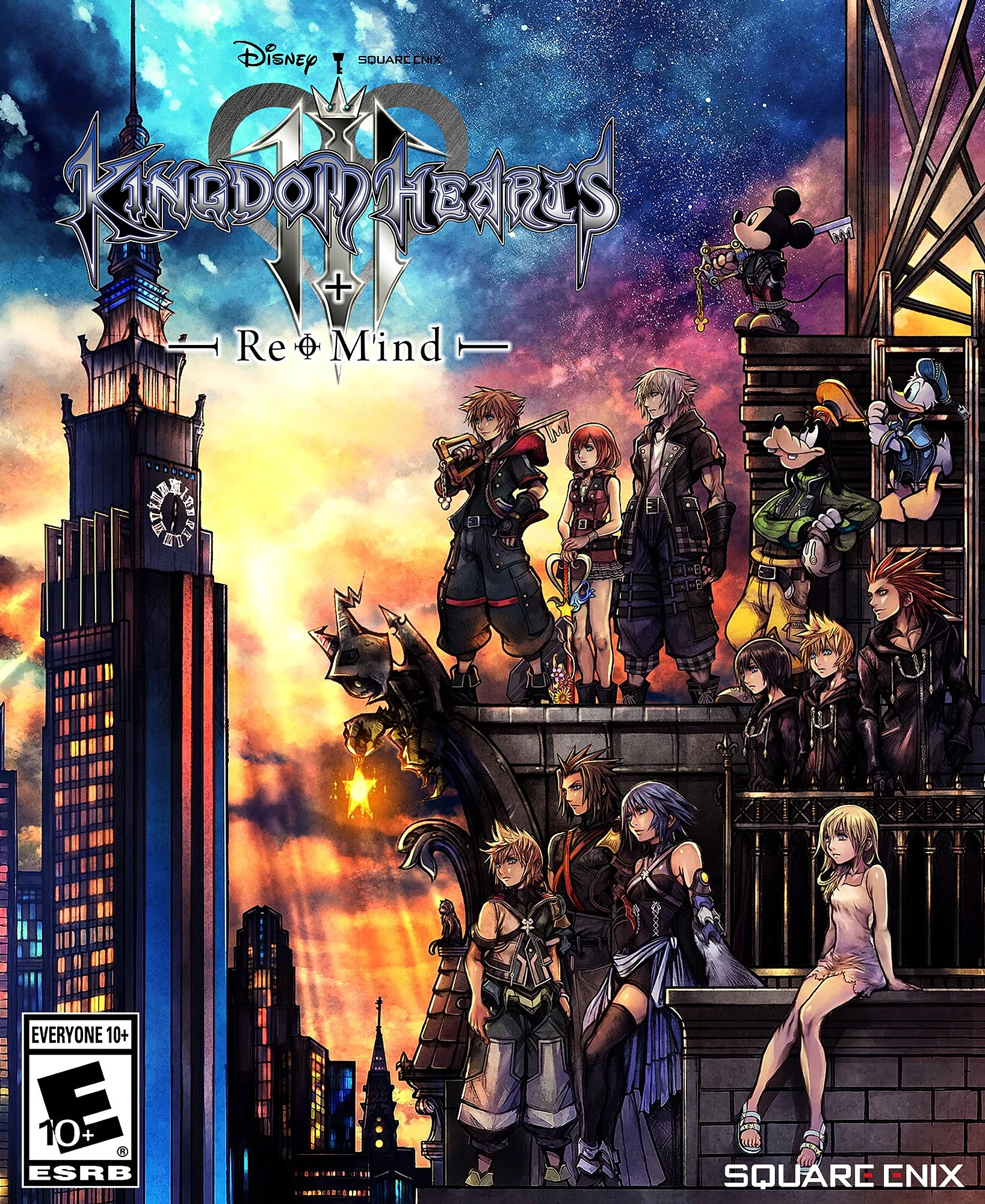
Overview
A spectacular, uneven finale whose strongest combat lies in Keyblade transformations, air mobility and Re Mind's demanding bosses.
A striking technical leap
The series has seldom looked more vivid. Large Disney worlds, aerial movement, fluid spellcasting and Keyblade transformations make exploration and combat more cinematic than ever. At their best, form changes create distinctive fighting styles while preserving the immediate accessibility that made Kingdom Hearts popular.
What works in combat
Air mobility, grand magic effects and transformation finishers produce spectacle without losing all agency. Re Mind's Limitcut battles and Secret Episode are a particular high point: their encounter design encourages learning precise windows, counters and defensive techniques. They demonstrate a much stronger combat ceiling than the early attraction-heavy campaign suggests.
What dilutes the adventure
Attraction Flow and some scripted combat sequences can interrupt the pace of ordinary battles. The game's Disney worlds are visually impressive but do not always advance its central Keyblade plot, leaving many important resolutions compressed into a dense closing sequence. Character returns can happen so quickly that some emotional consequences receive little space.
The long-promised answers
Restoring Aqua, Ventus, Terra, Roxas and Xion delivers enormous emotional satisfaction after years of buildup. Yet the weight of so much history creates expectations no single finale could easily meet. The conclusion is strongest when it lets characters act on their enduring attachments and weakest when it rushes explanations between major confrontations.
Verdict
Kingdom Hearts III is at once a generous celebration and an uneven conclusion. Its visuals, movement and late-game boss design are outstanding; pacing, excessive spectacle and crowded resolutions are genuine limitations. Re Mind substantially strengthens its mechanical and narrative final impression.